
Why deflation affects asset values?
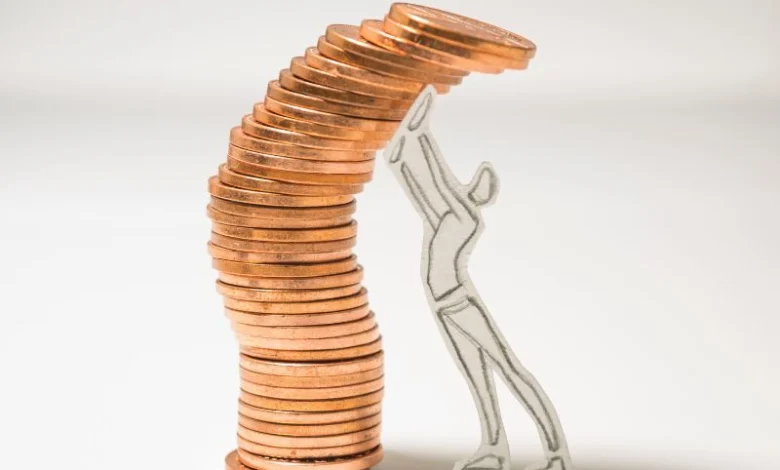
Why deflation affects asset values?
Understanding Credit Score: A Comprehensive Glossary for Financial Success
In today’s financial landscape, your credit score plays an essential role in unlocking opportunities ranging from qualifying for a mortgage to securing a credit card with favorable terms. Whether you’re new to personal finance or looking to improve your financial literacy, understanding what a credit score is, how it is calculated, and how it impacts your financial life is crucial. This detailed glossary article will break down everything you need to know about credit scores in simple, accessible terms, helping you make informed decisions to boost your financial health.
What is a Credit Score?
A credit score is a three-digit number that represents your creditworthiness — essentially, how likely you are to repay borrowed money on time. Lenders, landlords, and even some employers use credit scores to gauge your financial responsibility. The most commonly used credit scores range from 300 to 850, with higher scores indicating better credit health.
Credit scores are derived from the information contained in your credit reports, which compile your credit history from various sources such as banks, credit card companies, and other lenders.
Why Is Your Credit Score Important?
Your credit score influences numerous aspects of your financial life:
- Loan Approvals: A good credit score increases your chances of getting approved for loans, including mortgages, auto loans, and personal loans.
- Interest Rates: Lenders offer better interest rates and terms to borrowers with higher credit scores.
- Credit Card Offers: Higher scores can qualify you for credit cards with higher limits, lower interest rates, and valuable rewards.
- Rental Applications: Many landlords check credit scores before approving tenants.
- Employment Opportunities: Some employers review credit scores during the hiring process, especially for roles involving financial responsibility.
How Is a Credit Score Calculated?
Credit scoring models consider multiple factors from your credit history. The most widely used model is the FICO score, which weighs the following:
- Payment History (35%): Have you paid your bills on time? Late payments, collections, and bankruptcies hurt this score component.
- Amounts Owed (30%): This refers to your credit utilization, or how much credit you are using compared to your total available credit.
- Length of Credit History (15%): Longer credit histories usually boost your score, assuming a positive track record.
- Credit Mix (10%): Having a variety of credit types—credit cards, mortgages, car loans—can improve your score.
- New Credit (10%): Opening several new accounts quickly or applying for many credit lines in a short time can lower your score temporarily.
Different Types of Credit Scores
While FICO scores are popular, other credit scoring models also exist. Knowing these can help you understand why your score might vary depending on the lender or credit bureau.
- FICO Score: Used by 90% of top lenders. Scores range from 300 to 850.
- VantageScore: Created by the three major credit bureaus (Experian, Equifax, TransUnion) with a similar score range to FICO.
- Industry-Specific Scores: Some lenders use tailored scores relevant to auto loans or credit cards.
How to Check Your Credit Score and Report
Thanks to federal law, you are entitled to a free credit report from each of the three major credit bureaus every 12 months through AnnualCreditReport.com. However, free credit score access is often provided by many financial services, credit card companies, and fintech apps.
When checking your credit report and score:
- Review your reports for errors, such as incorrect accounts or payment history.
- Ensure personal information is accurate to avoid mistakes that could affect your score.
- Look for signs of identity theft or fraudulent activity.
Factors That Negatively Affect Your Credit Score
Understanding what can hurt your credit score is as important as knowing how it is built. Common factors include:
- Late Payments: Even a single late payment can drop your score significantly.
- High Credit Utilization: Using a large percentage of your available credit (over 30%) signals financial stress.
- Collection Accounts and Charge-Offs: Accounts sent to collections severely impact your credit history.
- Bankruptcy and Foreclosure: These serious financial events stay on your report for several years.
- Too Many Hard Inquiries: Applying for multiple credit lines in a short period can cause score drops.
Tips to Improve Your Credit Score
Improving your credit score is a gradual process, but consistent financial habits can lead to measurable gains. Here’s how you can build a stronger credit profile:
- Pay Bills On Time: Set up payment reminders or automatic payments to avoid late payments.
- Reduce Credit Card Balances: Aim to use less than 30% of your available credit limit.
- Dont Close Old Accounts: Length of credit history favors accounts you’ve maintained over years.
- Limit New Credit Applications: Only apply for new credit when necessary.
- Dispute Inaccurate Information: Regularly check your credit reports and file disputes for any incorrect data.
- Become an Authorized User: If possible, be added as an authorized user on someone’s credit account with good history.
Credit Scores and Major Life Events
Your credit score can be affected by many significant life events. Anticipating these effects helps you manage your finances better:
- Buying a Home: Mortgage lenders rely heavily on credit scores for approval and interest rate determination.
- Starting a Business: Business loans often require personal credit checks.
- Divorce: Shared debts and changes in income can impact credit behavior.
- Job Loss: Missing payments due to loss of income can hurt your credit score.
Misconceptions About Credit Scores
Many myths surrounding credit scores can mislead consumers. Let’s clear up some common misunderstandings:
- Checking Your Own Credit Hurts Your Score: This is false. Soft inquiries, like checking your own score, do not lower your credit score.
- Closing Old Accounts Will Improve Your Score: Actually, it may reduce your available credit and shorten credit history.
- Paying Off Debt Erases Negative History: Negative information generally stays on your report for 7 years, even if paid.
- Having No Credit Is Good: Lack of credit history means lenders have no data to assess risk, which can make approvals difficult.
The Role of Credit Bureaus
Three major credit bureaus collect and maintain credit information in the U.S.: Experian, Equifax, and TransUnion. Each bureau assembles credit reports based on information they receive and generates credit scores using its own methods. Because data collection varies, scores from each bureau can differ slightly.
It’s vital to obtain and monitor credit reports from all three bureaus to ensure accuracy and complete coverage of your credit history.
Understanding Credit Utilization Ratio
Credit Utilization is the percentage of your available credit that you’re currently using and is a major factor in credit scoring. For example, if you have a credit card with a $10,000 limit and your balance is $2,500, your utilization ratio is 25%.
Financial experts typically recommend keeping your utilization below 30%, and the lower, the better. High utilization signals risk, even if you pay off balances on time.
How Long Does It Take to Build a Credit Score?
To have a credit score, you need some credit history. Generally, it takes about 3 to 6 months of active credit use to generate a score. Building a strong credit score can take several years of responsible credit management.
For those new to credit, consider options like secured credit cards, credit-builder loans, or becoming an authorized user on someone else’s account to start building your history safely.
Impact of Credit Score Differences on Loans and Interest Rates
The difference between a low and high credit score isn’t just about approval—it can cost you thousands in interest over the life of a loan. For example:
- An excellent score (750 and above) may qualify for the lowest mortgage rates around 3% APR.
- A fair score (620-679) might receive rates 1-2% higher, translating into hundreds more per month.
- A poor score (below 600) could mean higher interest, more fees, or denial altogether.
By improving your credit score, you can save significant money and increase your borrowing chances.
Building and Maintaining Good Credit for the Long Term
Good credit is built over time through prudent habits and ongoing attention to your financial behavior. Here are key practices:
- Regularly Monitor Your Credit: Stay informed to quickly catch errors or fraud.
- Budget and Pay Bills Timely: Prioritize on-time payments in your finances.
- Diversify Credit Accounts Carefully: But avoid taking on debt you cannot manage.
- Keep Credit Accounts Open: Older credit accounts improve your length of credit history.
- Seek Professional Advice When Needed: Credit counselors or financial advisors can help develop personalized strategies.
Summary
A solid understanding of credit scores empowers you to navigate financial decisions confidently and optimize your financial opportunities. From how your credit score is calculated to actionable tips on improving it, being knowledgeable helps you protect and build your financial future. Remember to approach credit management with patience, consistency, and informed strategies to reap the benefits over time.

Related Articles
Our HOME in English: Smart Finance: Learn, Invest, and Grow

Our Categories:
- 💳 Credit Cards: Comparisons, reviews, and tips to choose the best card for your profile — cashback, travel rewards, no annual fee, and more.
- 🏦 Digital Banks: Practical guides and evaluations of digital bank accounts, fees, benefits, and services.
- 📈 Investments: Beginner guides, fixed income and variable income options, real estate investment trusts (REITs), and more.
- 🧮 Financial Education: Learn to manage your budget, build an emergency fund, and get out of debt.
- 🚗 Loans and Financing: Explanations about mortgage, auto, and student loans, with smart money-saving tips.
- 🛡️ Insurance: Information about the most important types of insurance to protect your family and assets.
- 📊 Taxes and Income: Guidance on tax filing, investment taxation, and fiscal responsibilities.
- 🏖️ Retirement Planning: Tips to plan your retirement with private retirement plans, Social Security benefits, and passive income strategies.

Why Deflation Affects Asset Values
Understanding how deflation impacts asset values is crucial for investors, homeowners, and anyone involved in finance. When prices decline over time, the value of assets such as real estate, stocks, and commodities can drop significantly. This isn’t just about lower prices—it affects investor confidence, borrowing costs, and market dynamics. If you’re looking to protect your investments or make smarter financial decisions, understanding why deflation pulls down asset values will help you navigate economic downturns effectively.
Frequently Asked Questions About Deflation and Asset Values
What is deflation?
Deflation is a decrease in the general price level of goods and services over time, increasing money’s purchasing power.
How does deflation affect asset values?
Deflation reduces asset values because lower prices decrease expected returns, making investments less attractive.
Why do asset prices fall during deflation?
Falling prices boost the real debt burden and reduce consumer demand, causing asset prices to decline.
Does deflation impact real estate values?
Yes, deflation often lowers real estate prices as buyers expect cheaper properties, reducing demand.
How does deflation influence stock market prices?
Deflation lowers corporate profits and investor confidence, leading to falling stock prices.
What happens to debt during deflation?
The real value of debt increases, making it harder for borrowers to repay, which hurts asset markets.
Is deflation always bad for investors?
While often negative, some investors may benefit by buying undervalued assets during deflation.
How does deflation affect inflation-linked assets?
Inflation-linked assets lose value during deflation because they are designed to keep pace with inflation.
Can deflation lead to a real estate market crash?
Prolonged deflation can trigger a real estate slump due to falling demand and rising mortgage burdens.
Why do investors lose confidence in deflationary times?
Uncertainty about future profits and falling prices makes investors wary of holding assets.
Does deflation impact commodity prices?
Yes, commodities often lose value in deflation as industrial demand and consumption decline.
How do central banks respond to deflation?
They may lower interest rates or use stimulus to encourage borrowing and spending.
Can deflation increase the real interest rates?
Yes, deflation increases real interest rates, discouraging borrowing and spending.
What are common signs of deflation affecting asset markets?
Falling prices, reduced consumer spending, rising debt burdens, and declining asset sales.
How can investors protect their assets during deflation?
Diversify, focus on cash-rich companies, and consider government bonds or precious metals.
Conclusion
Deflation can significantly impact asset values by reducing prices, increasing the real burden of debt, and eroding investor confidence. As prices fall, the expected returns on assets drop, leading to decreased demand and lower market valuations. This affects everything from stocks and bonds to real estate and commodities. For American investors, understanding these dynamics is key to navigating deflationary periods smartly. By recognizing how deflation pressures asset markets, you can adjust your investment strategy—such as prioritizing cash, government-backed securities, or companies with strong balance sheets—to mitigate risks effectively. The consequences of deflation aren’t just theoretical; they influence your wealth and financial security. Staying informed allows you to make proactive decisions, safeguarding your investments against deflationary shocks and positioning yourself for better outcomes, even during tough economic cycles.





